Unique Cultural Experiences in Morocco
Why Is Hospitality Such a Big Part of Moroccan Culture?
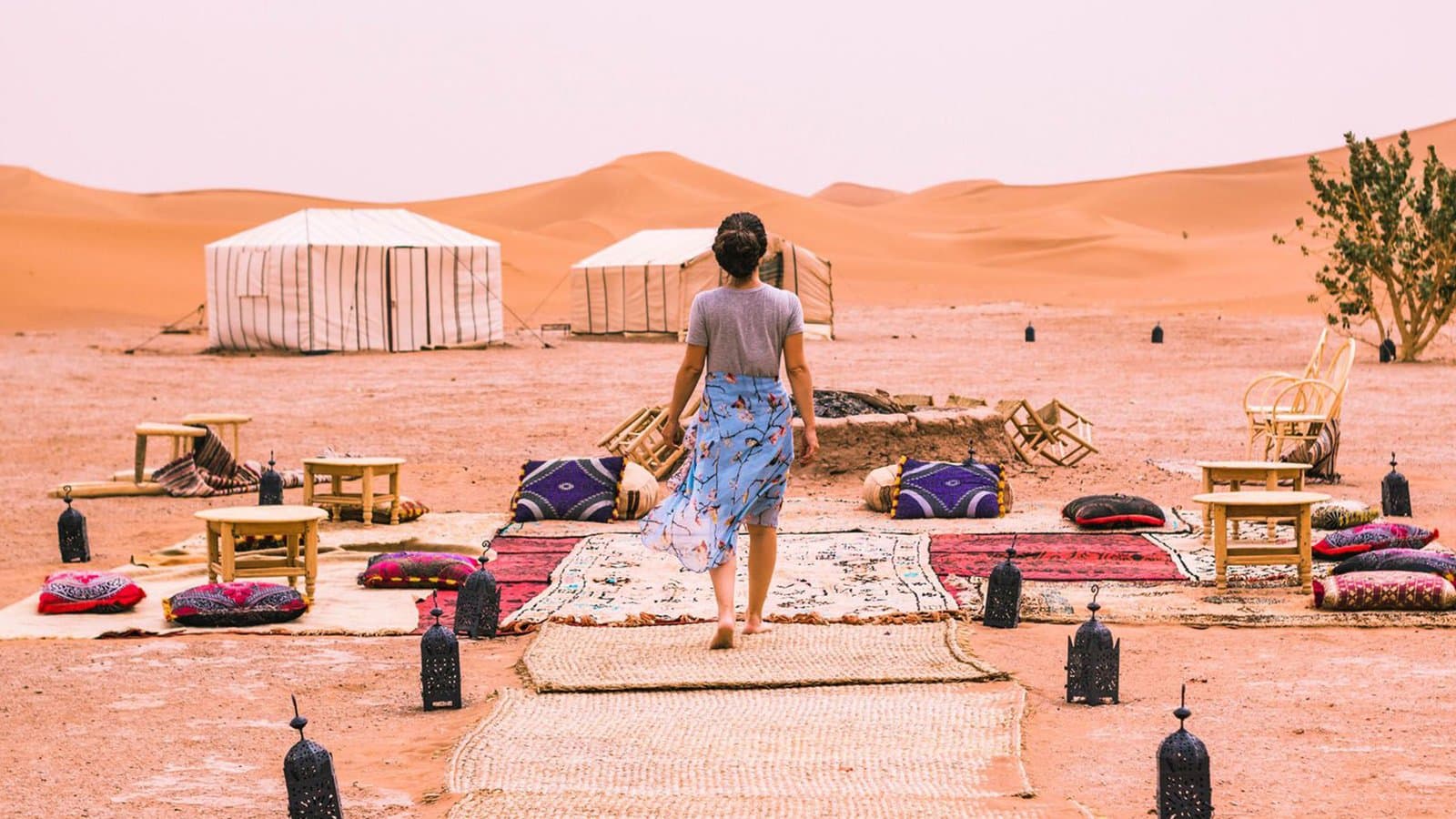
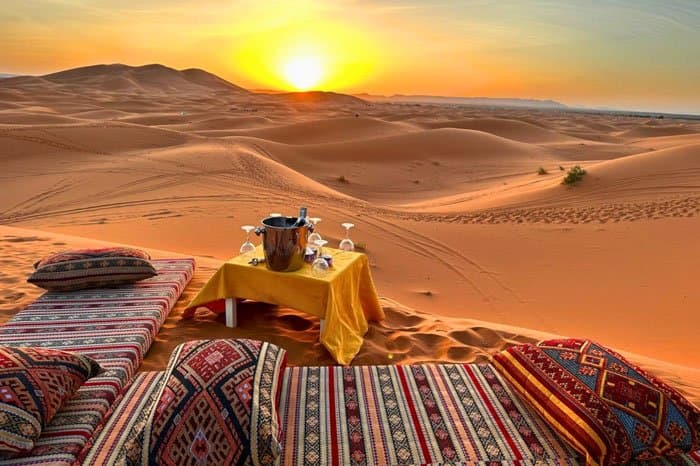
Hospitality in Morocco is a genuine point of pride rather than a performance, especially among nomadic and rural Berber families, and it shows up in small, unscripted moments rather than staged ones. The country's deepest impressions rarely come from a single monument — they come from a glass of mint tea poured three times for the right amount of froth, from a Gnawa rhythm played at dusk in a desert camp, or from a family inviting you into their tent for bread still warm from the fire. The tea ritual carries its own meaning: a well-known Berber saying describes the three pours as the first glass bitter as life, the second strong as love, the third gentle as death. Turning down a glass is rare, and every Daily Desert Tours itinerary is built to make room for accepting one.
What Is Gnawa Music and Where Can You Hear It?
Gnawa music is a spiritual healing tradition as much as a musical style, brought south across the Sahara generations ago by enslaved West and Sub-Saharan African communities. It survives today as both music and ritual — a ceremony called a lila, built around the deep, resonant tone of the three-stringed guembri and the metallic snap of iron karkabou castanets. Khamlia, a small village near Merzouga, is one of the most accessible places to hear it performed by descendants of the original Gnawa communities, and it's a regular stop on desert itineraries passing through the area. It's less a staged show for tourists than a continuation of a tradition that predates tourism by centuries, which is part of why it still feels genuine rather than rehearsed.
What Traditional Crafts Can You See in Fes and Marrakech?
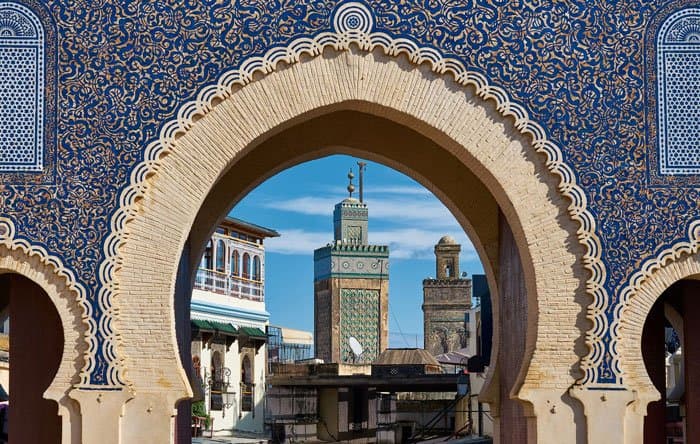
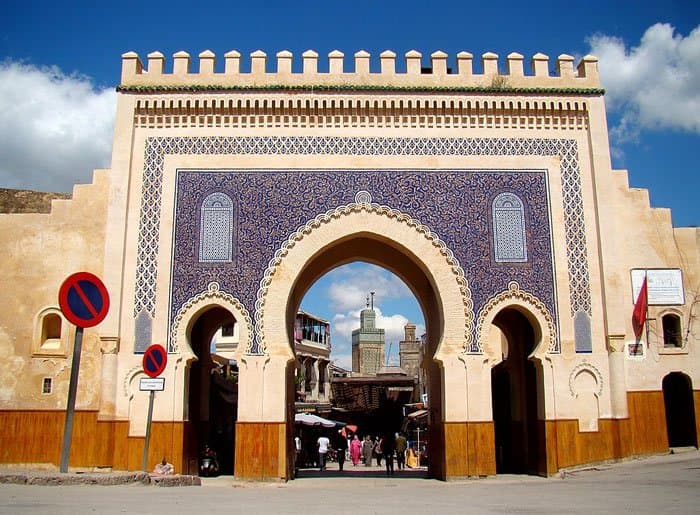
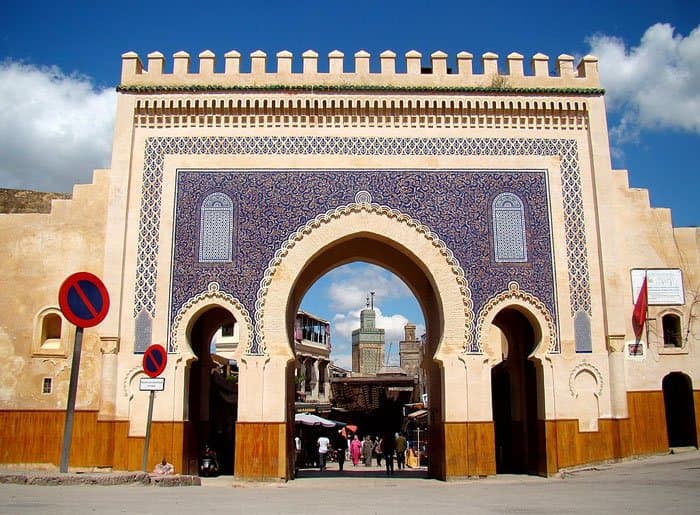
In the medinas of Fes and Marrakech, traditional crafts are still a living, working industry rather than a museum display — coppersmiths hammering by hand, dye pits stained from centuries of use, and the call to prayer rolling across rooftops at sunset. Fes el Bali in particular has changed remarkably little in structure since the medieval period: it remains one of the largest car-free urban areas in the world, and many of its workshops are still run by families who learned the trade from the generation before them. Taking a guide who grew up in these streets changes what you notice. Where a quick walk-through might register as just alleys and stalls, a local perspective turns the same walk into a living history lesson.
What's the Best Way to Experience Moroccan Culture as a Traveler?
The best way is to leave room in your schedule for the unplanned — the extra glass of tea, the detour into someone's family workshop, the conversation that runs longer than expected. Whichever region you explore, Morocco consistently rewards travelers who treat culture as something to encounter rather than check off a list. That's the kind of experience no itinerary can fully script; it can only make space for it, which is exactly what a private, flexible route is built to do compared with a fixed group schedule that has no time to spare for a detour. If there's one thing worth building into any Morocco itinerary, it's slack — an afternoon with nothing scheduled, so the unplanned conversation has somewhere to happen.
Frequently Asked Questions
- What is Gnawa music?
- A spiritual, rhythmic music and ritual tradition brought to Morocco generations ago by West and Sub-Saharan African communities, still performed today, especially in desert regions like Khamlia near Merzouga.
- Is it normal to be invited for tea by strangers in Morocco?
- Yes — hospitality is a genuine point of pride, especially among nomadic and rural Berber families, and an invitation for mint tea is a sincere gesture rather than a sales pitch.
- What's the best way to experience Fes's traditional crafts?
- Walking the Fes el Bali medina with a local guide, who can point you toward working tanneries, metalworkers, and dye pits rather than tourist-facing storefronts.