A First-Timer's Guide to Moroccan Etiquette and Customs
What Should First-Time Visitors Know About Moroccan Etiquette?
Morocco is an easygoing country for travelers, and none of its customs are complicated — it mostly comes down to dressing modestly, being patient, and following a few basic courtesies, especially outside the more touristed parts of Marrakech and Casablanca. Most etiquette questions first-time visitors have are really about avoiding accidental disrespect rather than following a long list of rules, and locals are generally forgiving of small mistakes made in good faith by an obvious tourist. The sections below cover the specific situations that come up most often: what to wear, how greetings and bargaining work, and what changes during Ramadan.
What Should You Wear When Visiting Morocco?
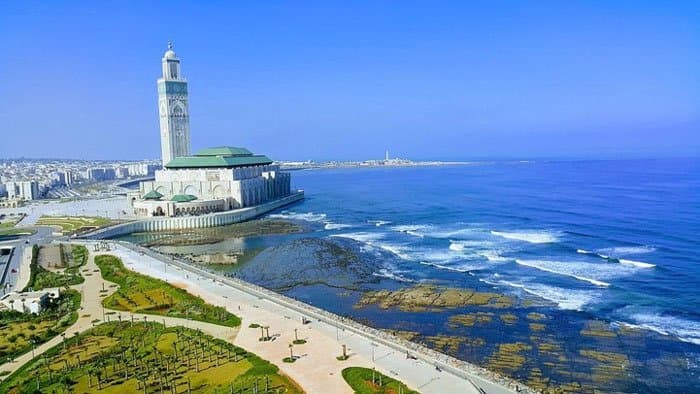
Loose, lightweight clothing that covers shoulders and knees is the safest default — comfortable in the heat and respectful in most settings, particularly in smaller towns, mosques, and rural villages. Swimwear is fine at hotel pools and beach resorts but not appropriate walking through a medina, and men can generally wear shorts more freely than women, though longer shorts still read as more respectful in conservative areas. Non-Muslims generally can't enter working mosques, with the Hassan II Mosque in Casablanca as a well-known exception that offers guided tours, so dress code there matters more than at most other stops on an itinerary.
How Do Greetings and Bargaining Work in Morocco?
A simple "salam" (peace) or "bonjour" (French is widely spoken) goes further than jumping straight into a question — it's normal for conversations, even transactional ones in a souk, to open with small talk before getting to business. Handshakes are common between men, and it's polite to wait for a woman to offer her hand first rather than initiating physical greetings yourself. Bargaining is expected in souks and with unmetered taxis, but not in fixed-price shops, restaurants, or with your driver-guide, where posted or agreed prices are treated as final — a good starting offer in a souk is often around half the initial asking price, with both sides expecting to meet somewhere in the middle.
What Should You Know About Ramadan as a Visitor?
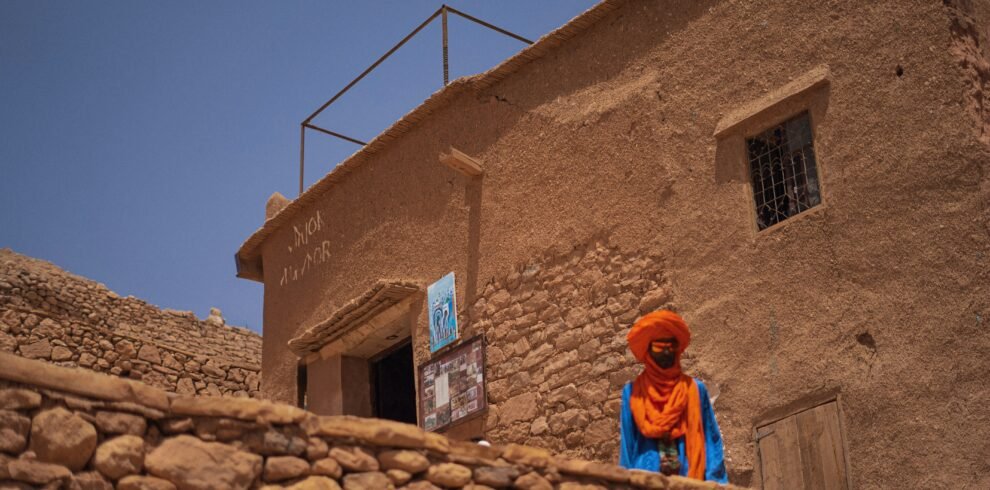
During Ramadan, many restaurants outside tourist hotels close during daylight hours, and it's considerate to avoid eating, drinking, or smoking visibly in public even if you're not fasting yourself. Hotels and riads generally still serve non-fasting guests, and evenings during Ramadan are actually livelier than usual, with families and friends gathering for iftar once the sun sets, so it's not a month to avoid entirely if your dates happen to overlap. Outside of Ramadan, hospitality runs in the other direction entirely — being invited for tea by a Berber family, as many of our desert tours make room for, is a genuine gesture worth accepting rather than a transaction to be wary of.
Frequently Asked Questions
- Do I need to cover my head as a woman traveling in Morocco?
- No, headscarves aren't required for visitors, though modest clothing covering shoulders and knees is appreciated, especially outside major tourist areas.
- Is it rude not to bargain in the souks?
- Not rude, but bargaining is the norm for unpriced goods in souks — starting around half the initial asking price and working up is a common approach.
- Can I drink alcohol in Morocco?
- Alcohol is legal and available in many hotels, restaurants, and licensed shops, though it's not sold everywhere and is worth avoiding in public in more conservative areas.