Moroccan Cuisine: Dishes to Try Beyond Tagine and Couscous
Is Moroccan Food More Than Just Tagine and Couscous?
Yes — tagine and couscous are really just the entry point into a much wider table. Both dishes are the two most visitors already know before they land, and both deserve their reputation, but Moroccan cuisine is shaped by Berber, Arab, Andalusian, and French influences layered over centuries, with plenty of regional and home-cooking dishes that rarely make it onto a tourist-facing menu at all. Couscous itself is traditionally a Friday dish in many households, served after midday prayers, rather than an everyday staple the way visitors sometimes assume from seeing it on every restaurant menu. French colonial influence also shows up in everyday details like café culture and pastries, a quieter layer of the food scene easy to miss if you're only looking for tagines.
What Moroccan Dishes Are Worth Seeking Out?
Harira and rfissa are the two to prioritize beyond the basics. Harira, a tomato-based soup with lentils and chickpeas, is traditionally eaten to break the fast during Ramadan but is served year-round and makes an excellent starter on a cold desert evening. Rfissa — shredded flatbread under chicken, lentils, and a fenugreek-spiced broth — is a home-cooking dish worth asking for rather than expecting on every restaurant menu, since it's traditionally made for new mothers and family celebrations rather than sold as everyday restaurant fare. Pastilla, a savory-sweet pie traditionally made with pigeon or chicken, cinnamon, and almonds under flaky pastry, is a third dish worth seeking out for a special-occasion meal.
What Should You Try for Moroccan Street Food and Breakfast?
Msemen and beghrir cover breakfast — msemen is a layered, pan-fried flatbread, and beghrir is a spongy, honeycomb-textured pancake, and both show up on breakfast tables across the country, usually served with honey, amlou (an almond-argan spread), or fresh butter. For street food later in the day, a Fes or Marrakech medina food stall is the place to try grilled sardines or a simple bowl of harira after dark, usually for a fraction of a restaurant price, plus fresh orange juice from the countless juice carts around Jemaa el-Fna, pressed to order rather than bottled. Snails simmered in a spiced broth are another common street-stall find in Marrakech, sold from small carts and eaten with a toothpick, worth trying if you're feeling adventurous.
What Do You Eat for Dinner at a Desert Camp?
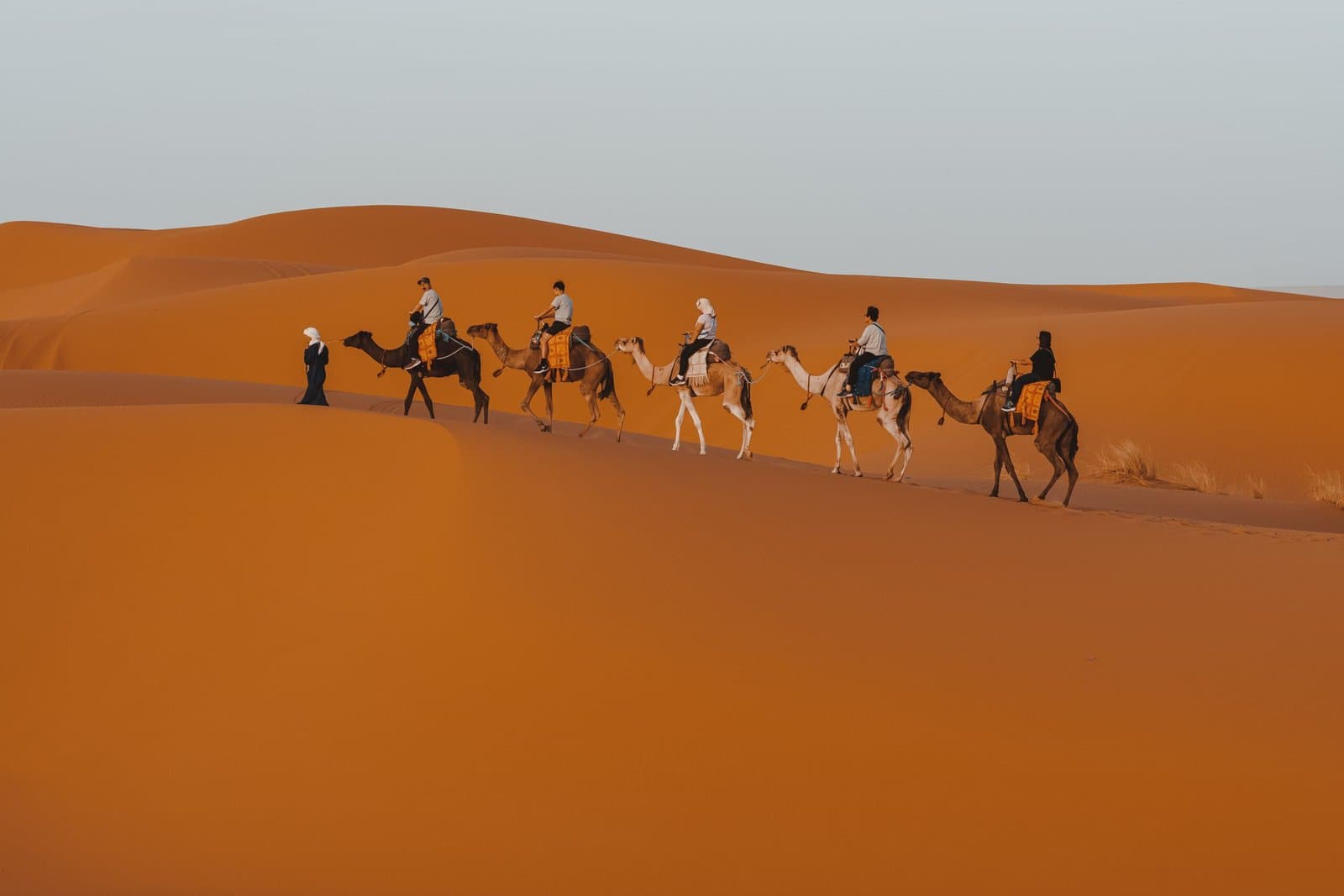
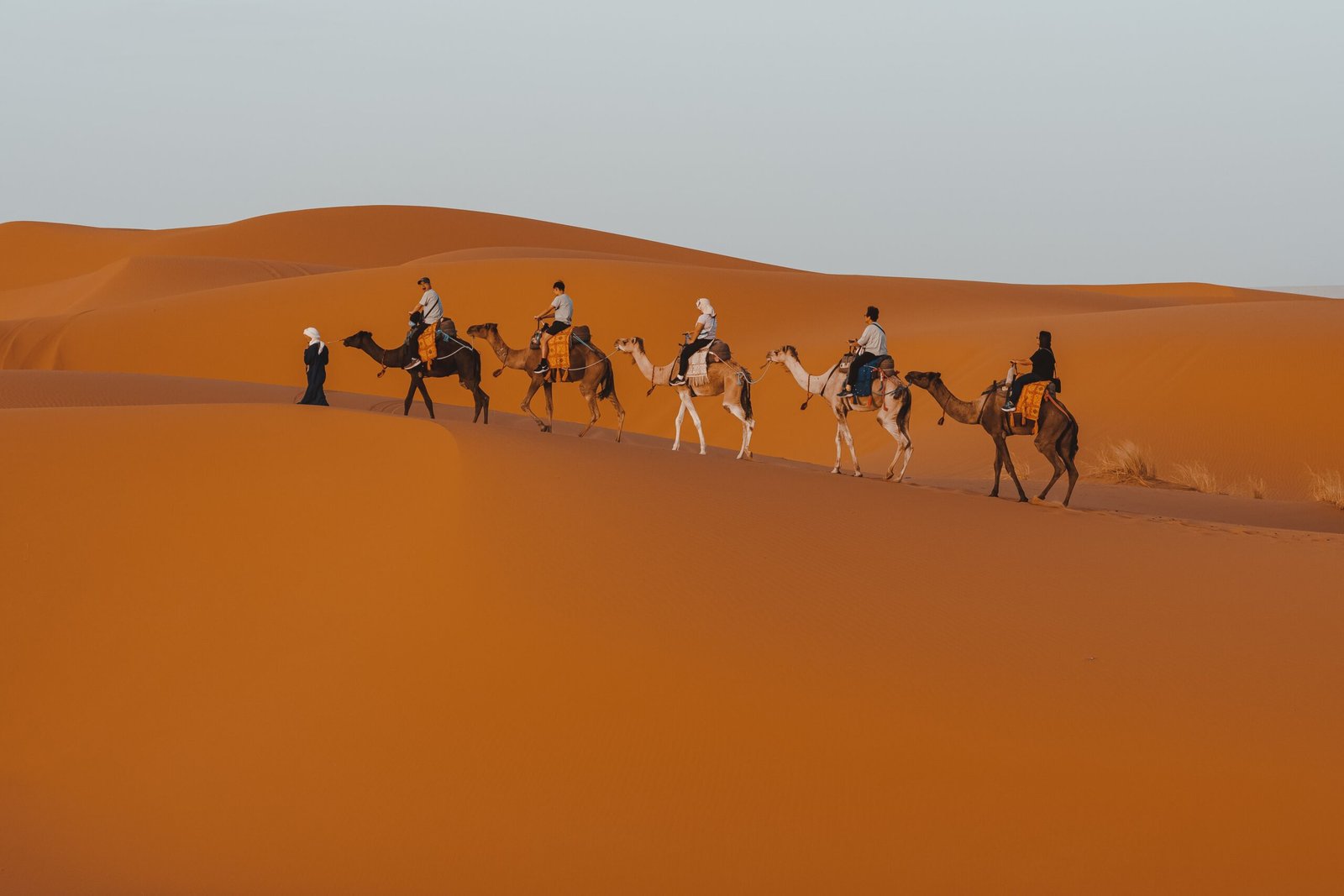
Dinner at a Berber camp is usually built around a tagine cooked slowly over coals, followed by mint tea poured from height — a presentation as much as a brewing method that aerates the tea and shows off the pourer's steady hand. Bread, usually a round khobz baked that day, comes with nearly every meal and often replaces cutlery for scooping up sauce. Portions tend to be generous, and camps are usually happy to accommodate dietary restrictions if you mention them when you book rather than at the table. It's a good place to ask questions about what you're eating; most driver-guides on our Sahara desert tours are happy to explain a dish's ingredients or origin over the meal itself.
Frequently Asked Questions
- What is a tagine, exactly?
- Both the name of the cone-shaped clay pot and the slow-cooked stew made in it — usually meat or vegetables with preserved lemon, olives, or dried fruit, cooked gently until tender.
- Is Moroccan food spicy?
- Generally aromatic rather than hot — ras el hanout and other spice blends lean toward warmth and complexity, not heat, though harissa is available on the side if you want spice.
- What should vegetarians expect to eat in Morocco?
- Vegetable tagines, lentil-based dishes like harira, and bread-based breakfasts are widely available, though it's worth confirming ingredients since broths sometimes use meat stock.